Entry · Ref CLPAF8CB
What Makes a Reliable Tree Removal Metairie Company?
- Posted
- 2026-10-27
- Last amended
- 2026-10-27
- Account
- @connerdoxb263

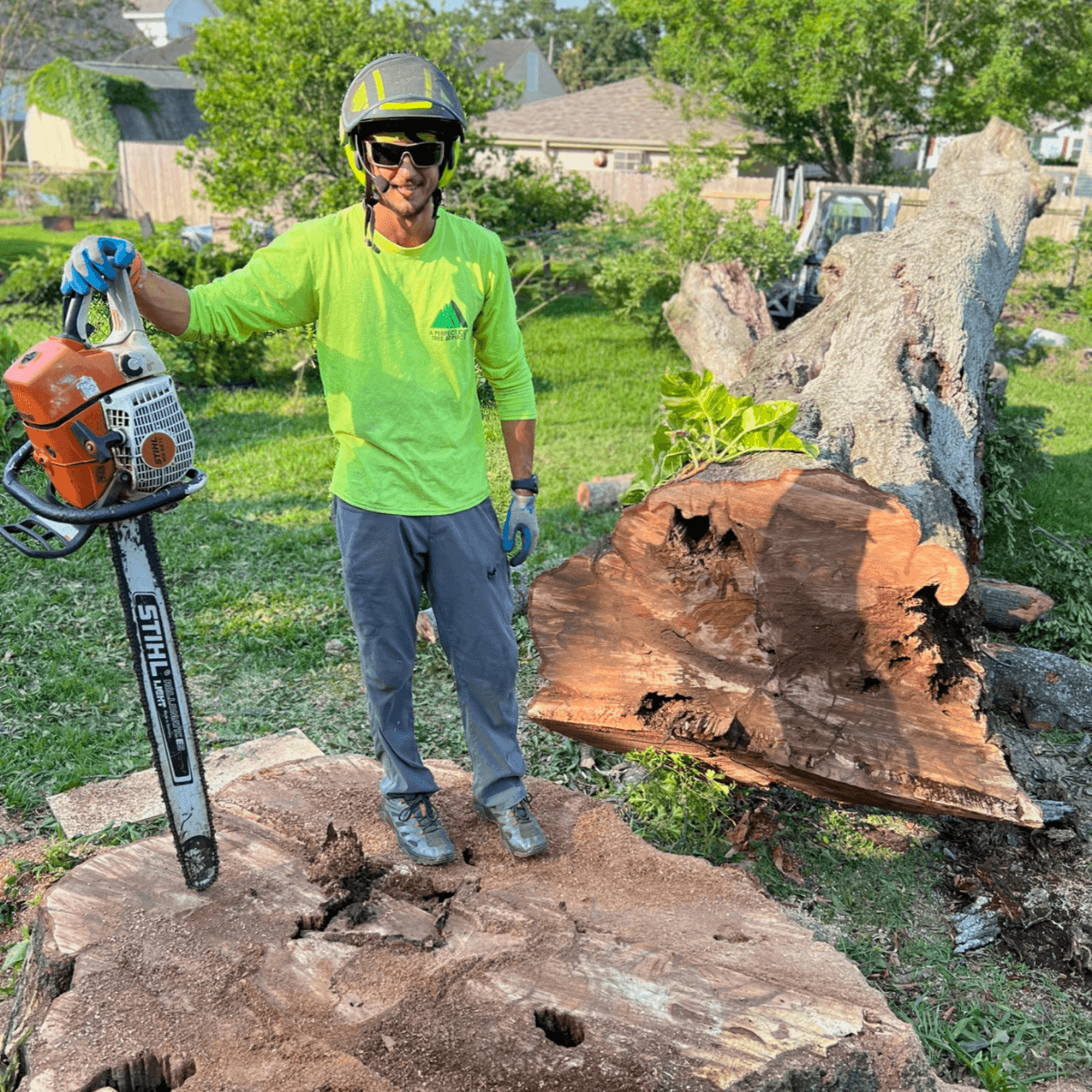
Choosing a tree company sounds simple until the work turns risky, expensive, or urgent. A tree leaning toward a roof after a storm is not the time to discover that a contractor is uninsured, under-equipped, or willing to cut corners. In Metairie, where mature oaks, pines, crepe myrtles, and water oaks share space with fences, power lines, driveways, and tightly placed homes, reliability is not a marketing phrase. It is the difference between a controlled removal and property damage that could have been avoided.
People often focus on price first. That is understandable. Tree removal is not cheap, and on larger jobs the quote can vary by hundreds or even thousands of dollars. But a low number on paper tells you almost nothing by itself. A reliable company earns trust in how it evaluates the tree, protects the site, explains the plan, and follows through when conditions change. If you are comparing options for tree removal Metairie homeowners can depend on, the details behind the estimate matter far more than the estimate alone.
Reliability starts before the first cut
The best companies reveal themselves during the first visit. An experienced estimator does not stand in the driveway, glance up, and toss out a price in two minutes. They walk the site. They look at canopy spread, trunk lean, decay pockets, root flare, access points, and what sits beneath the drop zone. They ask about underground utilities, irrigation lines, septic components, pool decks, and neighboring property lines. If a crane might be needed, they assess street access and ground conditions. If rigging will be required, they identify suitable tie-in points and likely load paths.
That level of attention is not for show. It is how safe removals are planned. Metairie properties often present awkward constraints. Side yards can be narrow. Backyards may have limited gate access. Old live oaks can overhang three roofs at once. In those conditions, a company that gives a one-size-fits-all quote without discussing method is relying on luck or planning to improvise on your property.
A reliable contractor usually speaks in specifics. They might explain that the tree can be pieced down from the top, that a speed line will help move brush away from a pool enclosure, or that the trunk is too compromised to climb safely and a lift will be necessary. Even if the homeowner does not know the technical terms, the confidence shows in the reasoning. You can tell when someone is reading the tree and not just selling the job.
Proper insurance is non-negotiable
This point gets repeated for a reason. Tree work is among the more hazardous trades in residential service. Crews work at height with chainsaws, ropes, heavy wood, and unpredictable natural defects. If a limb swings wrong or a trunk section barber-chairs, the consequences can be severe.
A reliable company should carry liability insurance and workers' compensation coverage, and it should not hesitate when you ask for proof. If the answer gets vague, delayed, or defensive, that is a warning. The homeowner can be exposed to unnecessary risk if a worker gets injured and the company is not properly covered. The same goes for accidental damage to a roof, vehicle, fence, or neighboring structure.
Insurance alone does not make a company excellent, but the absence of it should end the conversation. In practical terms, this is one of the fastest ways to separate serious professionals from pickup-truck operators who are chasing storm work.
Equipment tells a story
You can learn a great deal from the equipment a company owns or rents and how they describe using it. Reliable tree crews match tools to the site and the species. They do not force every job into the same method because it is familiar.
On a straightforward backyard removal with open space, climbing and rigging may be perfectly appropriate. On a dead pine near a house, a bucket truck could reduce risk if access allows. On a massive oak over multiple targets, a crane may be the safest and most efficient option. A company does not need to own every specialty machine in town to be dependable, but it should know when a job exceeds basic setup and should be transparent about bringing in the right equipment.
There is also a difference between having equipment and maintaining it. Dull chains, frayed ropes, leaking hydraulic systems, and improvised rigging are signs of a company that is comfortable operating in the gray areas. Reliable crews tend to be orderly. Their trucks are not necessarily shiny, but the gear is organized, serviceable, and clearly part of a working system.
Experience matters, but relevant experience matters more
A crew may have years in business and still be a poor fit for your property. Reliability is not just about time served. It is about whether the company has done removals like yours, in conditions like yours, with the same obstacles and local weather realities.
South Louisiana brings a specific set of challenges. Saturated soil can weaken root stability. Hurricane damage creates hidden fractures and hung-up limbs. Termites and decay can leave a trunk looking sound until weight shifts. Heat affects crew endurance. Afternoon storms can shut down climbing or crane work in a hurry. Companies with strong local experience usually talk about these factors naturally because they have dealt with them many times.
That local familiarity matters in subtler ways too. Certain species fail differently. Water oak can decline faster than some homeowners realize. Pine removals often involve long, heavy tops with little forgiveness if they twist during rigging. Large oaks over old driveways can test whether ground protection is part of the plan or an afterthought. A reliable tree removal Metairie company understands the trees, the neighborhoods, and the weather patterns that shape the work.
A clear scope prevents ugly surprises
Many disputes in tree work have nothing to do with cutting skill. They start with assumptions. One side thinks stump grinding is included. The other does not. The homeowner expects all debris hauled away. The company assumed logs would stay for firewood. The quote covered removal to grade, but not root flare cleanup or fence panel removal for access.
Reliable contractors reduce those misunderstandings up front. Their proposals spell out what is included and what is not. That does not tree removal metairie mean the document must be full of legal jargon. In fact, the best estimates are plainspoken. They explain whether the price covers full removal, brush haul-off, log hauling, stump grinding, surface root cleanup, site raking, and traffic or permit issues if relevant. If a crane rental or a subcontracted stump grinder is involved, that should not feel hidden.
When the scope is clear, comparisons become meaningful. Without that clarity, the cheapest bid often turns out not to be the cheapest at all.
How they talk about safety reveals their standards
Homeowners are not expected to audit a jobsite like a safety manager, but there are clues worth noticing. A reliable company discusses drop zones, exclusion areas, communication between climber and ground crew, and how the crew will protect your home and neighboring structures. They do not brush off concerns with casual phrases like "we do this all the time" as if repetition replaces planning.
You may hear mention of rope systems, rigging points, controlled lowering, or protecting turf with mats. These are good signs because they show the company is thinking beyond simply getting the tree down. Removal is only half the job. The other half is preventing avoidable damage on the way down.
One crew leader I knew used to say that anybody can make a tree hit the ground. The real craft is choosing where every piece goes before it moves. That mindset tends to separate disciplined operations from the rougher outfits.
The estimate should reflect the real complexity of the work
Tree removal pricing often confuses homeowners because two trees of similar height can be priced very differently. Height matters, but it is only one variable. Diameter, wood weight, species, access, proximity to targets, lean, health, storm damage, cleanup expectations, and equipment needs all influence cost.
A reliable estimator can explain those drivers without sounding evasive. If one company is much higher, ask why. Sometimes the answer is simple: they are including a crane, full debris haul-off, stump grinding, and turf protection, while the lower bidder is planning to free-fall large sections into a yard and leave the stump. Sometimes the higher number reflects insurance, payroll taxes, trained labor, and maintained equipment, all of which support safer work. Not every expensive quote is justified, but every suspiciously cheap quote deserves scrutiny.
This is especially true after storms, when out-of-area crews flood local markets. Some are competent. Some are not. Urgency makes homeowners vulnerable to fast promises and cash deals. Reliability under pressure means the company still documents the scope, still addresses safety, and still communicates realistically about scheduling.
Reputation is useful, but only if you read it carefully
Online reviews help, though they should be interpreted with judgment. A reliable company usually has a pattern you can recognize. Customers mention punctuality, cleanup, professionalism, communication, and how the crew handled a difficult setup. Specificity is the key. "Great job" tells you little. "Removed a leaning oak over my garage, used a crane, protected the driveway, and left the yard cleaner than they found it" tells you much more.
Look for how a company responds when something did not go perfectly. Tree work is unpredictable. Weather shifts, hidden decay changes the plan, equipment breaks, and schedules move. Reliability does not mean nothing ever goes wrong. It means the company communicates honestly, adapts responsibly, and makes problems right when they are responsible for them.
Word-of-mouth still carries unusual weight in this field. A recommendation from a roofer, landscaper, or neighbor who has seen the crew work is often more valuable than a polished ad. Tradespeople who regularly see the results of other contractors usually know which companies clean up well, protect property, and do not create headaches downstream.
Signs you are dealing with a dependable company
- They inspect the site in person and explain the removal method.
- They provide proof of insurance without hesitation.
- Their written estimate clearly defines cleanup, haul-off, and stump work.
- They discuss protection for roofs, fences, turf, and neighboring property.
- They do not pressure you to decide on the spot or push cash-only terms.
Those signs do not guarantee perfection, but taken together they usually point toward a company with real systems behind the sales pitch.
Cleanup is part of the service, not an optional courtesy
Homeowners remember cleanup almost as much as the removal itself. A company can execute the cuts well and still leave a poor final impression if the yard is full of sawdust piles, rut marks, wood chips in flowerbeds, and stray branches caught in shrubs.
Reliable crews define what "clean" means and work toward it. On many residential jobs, that includes hauling brush and logs, blowing off hard surfaces, raking visible debris, and leaving the area reasonably tidy. If heavy equipment has to cross a lawn after rain, some disturbance may be unavoidable, and an honest company will say so before work begins. That honesty matters. It is better to hear, "We may leave shallow tire marks near the gate because the crane needs access and the ground is soft," than to hear nothing and discover the damage later.
Cleanup also includes the less visible issues. Was the fence panel reinstalled properly if it was removed for access? Were decorative stones pushed back into place? Was sawdust kept out of the pool where possible? These details speak to whether the crew views the property as a worksite only, or as someone else's home that deserves care.
Stump grinding deserves its own conversation
A surprising number of homeowners assume stump removal is automatic. Often it is not. Tree removal and stump grinding are related but separate services, sometimes performed by different equipment and even different crews.
Reliable companies make this distinction early. They ask whether you want the stump cut flush, fully ground below grade, or left at a certain height temporarily. They also explain the limits. Grinding removes the visible stump and some surface roots, but it does not extract every root across the yard. If the stump is close to utilities, foundations, or hardscape, the depth and spread of grinding may need adjustment.
For some properties in Metairie, especially where yards are compact and irrigation or drain lines run near old trees, this clarity saves a lot of frustration. A professional who explains the trade-offs is more trustworthy than one who simply says "we'll take care of it" and leaves the details fuzzy.
Communication during the job is a mark of maturity
Even well-planned removals can change once the work begins. A cavity may be larger than expected. A storm-damaged tree may have tension wood that complicates the dismantling sequence. Ground conditions may make a truck placement less suitable than it appeared during the estimate.
Reliable companies do not disappear into silence when that happens. They stop, explain the issue, and discuss the revised approach if it affects cost, timing, or the property. This is one of the clearest signs of professionalism because it requires confidence, not just skill. A crew that communicates well tends to manage risk better too. Everyone on site knows the plan, and the homeowner is not left guessing why the work has slowed or changed.
The opposite is also true. Companies that resist questions, dodge specifics, or become irritated by ordinary concerns often create problems beyond the tree itself. In service work, communication is not a soft skill. It is part of operational competence.
Emergency removals require a different kind of reliability
After hurricanes or severe storms, the standards should not drop just because the situation is stressful. In fact, they matter more. Emergency tree work often involves split trunks, root plate movement, broken tops suspended in other trees, and structures already under load. These are technically demanding situations.
A reliable emergency crew knows when not to rush. They secure the area, evaluate load and tension, and use controlled methods instead of hacking at whatever is visible first. They also give realistic timelines. When dozens or hundreds of homes are affected, a company that promises same-day service to everyone is usually overpromising. A company that triages based on danger, such as trees on homes or blocking access, is typically thinking more responsibly.
If you need tree removal Metairie residents often seek after storms, ask how the company prioritizes emergencies and what conditions require temporary stabilization versus full removal. The answer will tell you a lot.
Permits, utilities, and boundaries should never be an afterthought
Not every tree removal requires permits, but reliability includes knowing when approvals, utility coordination, or neighbor communication may be necessary. Trees near service drops, shared fences, or property lines can create legal and practical complications if handled carelessly.
A dependable company does not pretend these issues do not exist. They point out if utility line clearance is needed. They caution you if access might involve a neighbor's driveway or fence line. They explain what they can do and what the utility provider must handle. This saves time, protects relationships, and avoids the ugly situation where a job starts before key constraints are addressed.
It also shows restraint, which is an underrated trait. The best contractors are not the ones who promise yes to everything. They are the ones who know where their responsibility begins and ends.
Why the cheapest option often becomes the expensive one
The low bid has a strong pull, especially when the tree is already causing anxiety. But cheap pricing in tree work is often achieved in predictable ways: minimal insurance, undertrained labor, poor cleanup, rushed methods, or vague scope. Any one of those can turn savings into costs later.
A damaged fence, a torn-up lawn, a cracked driveway edge, or a half-finished haul-off can erase the difference quickly. So can delay. Some low-cost operators book more work than they can handle, then bounce from job to job while homeowners wait for return visits, debris removal, or stump completion.
Reliable service costs money because the inputs cost money. Skilled climbers, experienced ground crew, maintained trucks, sharpened saws, insurance premiums, payroll compliance, and proper disposal all add up. Homeowners do not need the most expensive quote to get quality, but they should understand what realistic pricing supports.
The best companies leave you with confidence, not just a missing tree
At the end of a removal, you should feel that the company was organized, careful, and transparent from first visit to final cleanup. The crew should have respected the risk, the property, and your questions. That is what reliability looks like in practice.
It is not flashy. It is a site visit that catches the hidden obstacles. It is a certificate of insurance sent before the work begins. It is a written scope that makes cleanup and stump grinding clear. It is a foreman who pauses to explain a change in tree removal metairie plan when the trunk reveals internal decay. It is a yard left orderly and a homeowner who does not have to chase callbacks for basic follow-through.
When you look for a tree removal Metairie company, do not ask only who can cut the tree down. Ask who can manage the whole process without creating new problems. That is the standard worth paying for, and it is usually obvious once you know what to look for.
A Perfect Cut Tree Service
4725 Shores Dr, Metairie, LA 70006
+1 504-732-0779
FAQ About tree removal metairie
What is the average cost of tree removal in my area?
There is no single price that fits every tree. Size, condition, access, nearby structures, equipment, debris hauling and stump work affect the estimate. Request a written, site-specific quote that identifies what is included.
Who will remove trees for free?
Free removal is not generally available for ordinary private-property tree work. Utilities or public agencies may handle trees within their responsibilities. Confirm eligibility directly and do not assume that an offer or assistance program covers your tree.
Can I just cut down a tree in my yard?
Check ownership, location and local requirements first. Jefferson Parish requires a permit for removal of qualifying vegetation in the public right-of-way, and additional protections may apply in designated areas. Ask the parish about your property and have a qualified tree professional assess the work.