Entry · Ref GGXOEMX4
Tree Removal Metairie for Commercial Properties: What to Know
- Posted
- 2026-10-27
- Last amended
- 2026-10-27
- Account
- @connerdoxb263
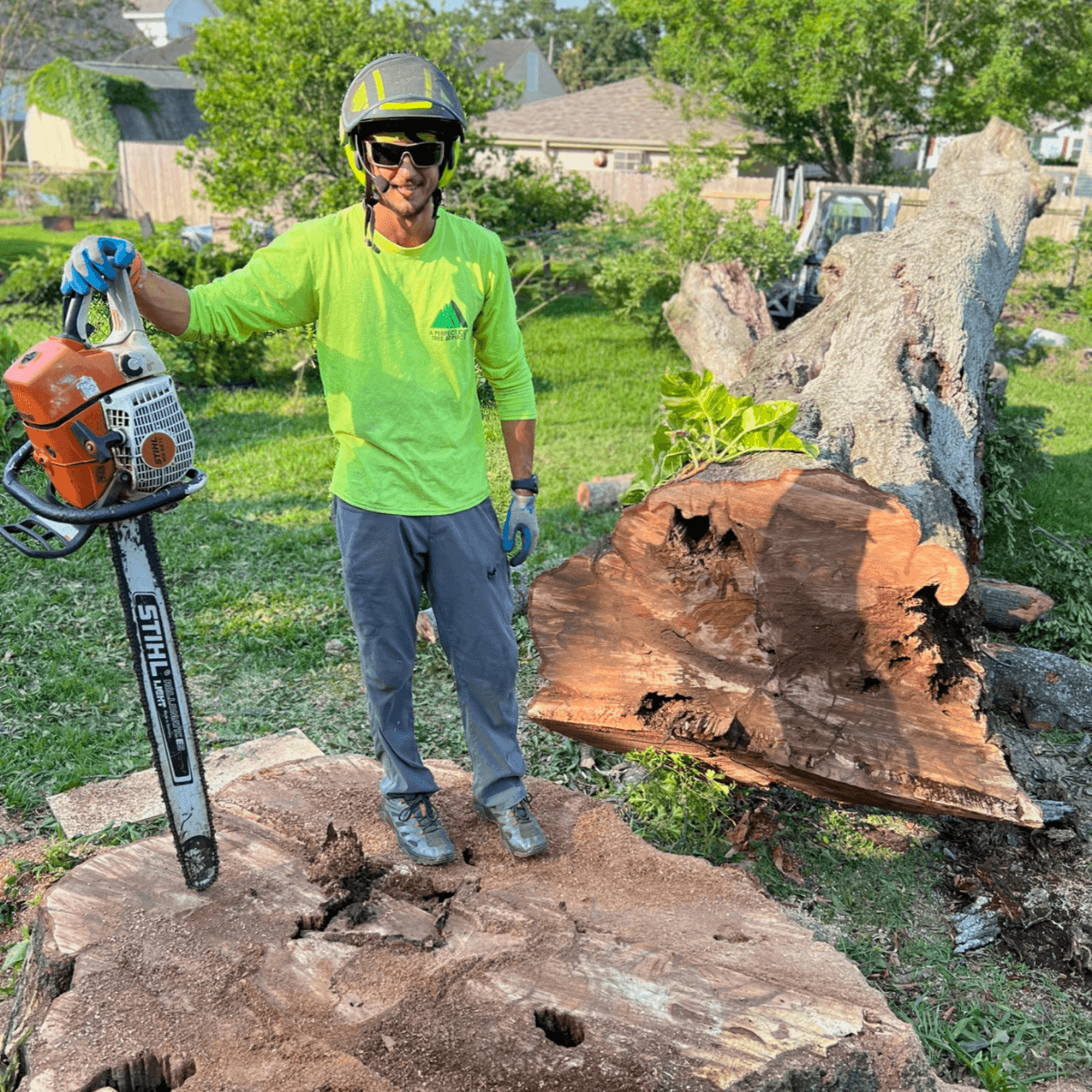
Commercial tree work is rarely just about a tree. On a business property in Metairie, one removal can affect parking access, storefront visibility, drainage patterns, insurance exposure, tenant relations, and even whether a delivery truck can reach the loading area that afternoon. That is why tree removal decisions on commercial sites tend to be more layered than the same job at a single-family home.
Metairie properties also come with their own set of practical realities. Many commercial lots are tight. Utilities may run close to the work zone. Mature live oaks, pines, crape myrtles, and palms often share space with signage, curbs, traffic lanes, and overhead lines. Add Gulf Coast weather into the equation, especially saturated soil, storm damage, and hurricane season, and the stakes get higher fast.
If you are evaluating tree removal Metairie services for an office park, retail center, medical building, apartment complex, restaurant, or industrial site, it helps to know what drives cost, timing, risk, and the scope of work. The best outcomes usually come from asking the right questions early, before a tree becomes an emergency.
Why commercial tree removal is a different category
A commercial property owner or manager has responsibilities that go well beyond getting the tree on the ground. There is the public-facing side of the property, the legal side, the scheduling side, and the business continuity side. A removal that seems straightforward on paper can become complicated if the tree overhangs customer parking, blocks sight lines near an entrance, sits close to HVAC equipment, or has roots disturbing pavement and drainage.
On commercial sites, removals often happen because of one of four pressures: risk reduction, storm damage, planned construction, or deferred maintenance finally catching up. In practice, those reasons overlap. A tree may be structurally compromised and also in the way of a new sign package. A storm-damaged pine may still be standing, but leaning toward a drive aisle that cannot stay closed for long.
One issue owners often underestimate is how much invisible stress a tree can carry before it fails. A canopy can look full and green while the trunk base is decaying, roots are destabilized, or repeated pruning has changed the load path of major limbs. On older commercial properties, especially those that have seen years of trenching, paving, irrigation leaks, and grade changes, root systems may not be as sound as they appear from the curb.
Common reasons a commercial tree needs to come out
Not every problem tree should be removed. Good arborists look first at whether pruning, cabling, soil work, or monitoring can reasonably reduce risk. But there are situations where removal is the responsible choice.
One of the clearest examples is structural failure that cannot be corrected. If a tree has a major split union, advanced decay in the trunk, severe root loss, or a pronounced lean with active soil heaving, keeping it in place may expose the owner to avoidable liability. Another common case is chronic conflict with infrastructure. Roots can lift sidewalks, crack curbs, distort asphalt, and interfere with drainage flow. Those issues matter more on commercial property because trip hazards and ponding water create direct operational and legal consequences.
Storm damage changes the calculus too. After high winds, a tree may remain standing but have torn fibers, hanging limbs, or a partially failed root plate. Those trees are often unpredictable. I have seen storm-damaged pines look stable for a day or two, then give way after one more rain event softened the soil. Waiting can make the site less safe and the eventual removal more expensive.
There is also the matter of suitability. Some trees were simply planted in the wrong place years ago, long before current traffic counts, signage needs, or tenant turnover. A species that made sense in a broad lawn may now be crowding a monument sign, scraping a roofline, dropping debris into gutters, or obscuring security camera views.
What the site conditions in Metairie often mean for the job
Metairie is not a place where tree work happens in a vacuum. Soil moisture, storm patterns, drainage challenges, and dense development all influence the plan. Trees growing in wet or compacted conditions can have reduced root stability. Mature canopies can also become problematic on lots where the usable space is tight and every parking stall matters.
A large oak over a retail parking field is a good example. It may provide shade and curb appeal, but if it develops deadwood over active spaces or begins dropping large limbs during summer storms, the removal plan has to account for customer traffic, storefront access, and sometimes municipal or parish-level considerations tied to protected trees. The same is true for apartment communities, where work may need to be phased around resident access and emergency vehicle routes.
Palm removals bring a different set of issues. They are often quicker than broad-canopy hardwoods, but height, location, and trunk disposal still matter. Pines can be fast to dismantle in open space, then become technically demanding when they lean over power lines, fences, or adjacent structures. Crape myrtles are smaller, but repeated topping can create weak regrowth that fails near walkways and entry doors.
The first questions to settle before calling for removal
Commercial property managers save time and money when they define the problem clearly before requesting bids. That does not mean diagnosing the tree yourself. It means gathering the operational details that affect the work plan.
Here are the five points that matter most at the start:
- What is the reason for removal, such as storm damage, visible decay, construction conflict, pavement damage, or blocked visibility?
- What could the tree hit if something goes wrong, including buildings, cars, fences, signage, utility lines, or neighboring property?
- When can the work happen with the least disruption to tenants, customers, and deliveries?
- Will access require lane closures, parking restrictions, lift equipment, or crane placement?
- Do you want stump grinding, debris haul-off, root flare cleanup, or replacement planting included in the same scope?
Those answers shape the estimate. They also reveal whether the job is a straightforward takedown or a more controlled dismantling with rigging, traffic management, and after-hours scheduling.
Permits, approvals, and the importance of not guessing
Commercial owners sometimes assume tree removal is purely a contractor issue. It is not. Depending on the parish rules, site plan conditions, HOA or POA documents, lease language, or development requirements tied to landscaping, you may need approvals before work begins. The specifics vary by property and jurisdiction, so it is unwise to make assumptions based on what was allowed at another site across town.
This matters most with large, mature trees and highly visible frontages. On some commercial properties, landscape elements were part of the original approval package or stormwater strategy. Even if a tree is failing, there may be documentation or replacement expectations to address. If the property is leased, the tenant may not have unilateral authority to remove a tree, even if it interferes with signage or patio use.
A careful contractor will usually ask who owns the decision, whether there are known restrictions, and whether the job should be coordinated with a property manager, facilities director, or asset manager. That is a good sign. It means they understand that a commercial removal is tied to more than chainsaw work.
How pricing is really determined
Owners often ask for a price per tree, but commercial tree removal rarely works that way in practice. The same species and height can cost very different amounts depending on access, hazards, and disposal logistics.
The biggest driver is usually complexity, not size alone. A 40-foot tree in open lawn may be simple. A 40-foot tree overhanging a busy drive aisle, adjacent to glass storefronts, with no drop zone and limited equipment access, may require piecemeal dismantling, roped sections, and a larger crew. That is a different job entirely.
Equipment needs also move the number. If the crew can back a bucket truck close to the tree, labor may drop. If they need a crane, specialty rigging, or compact equipment to avoid damaging hardscape, costs rise. So does the level of insurance and coordination. Debris volume matters too. Green waste from a large canopy adds hauling time, dump fees, and chipper cycles.
Stump grinding is often priced separately because it depends on diameter, root flare spread, access, and depth. On a commercial lot, the stump question should be settled early. If the area will be re-paved, re-striped, replanted, or converted to hardscape, that influences how aggressively the stump and roots need to be addressed.
One thing I have seen repeatedly is that the cheapest quote is often cheap because the scope is incomplete. It may exclude traffic cones, plywood for turf protection, haul-off, stump grinding, utility coordination, or cleanup outside the immediate drop zone. Commercial clients are usually better served by a fuller scope and fewer surprises.
What a well-run commercial removal looks like
Good commercial tree work is organized long before the first cut. The best crews do not simply arrive and improvise. They walk the site, identify targets, confirm access, review safety zones, and decide where material will be staged. On active properties, they also think about pedestrian routing, delivery windows, and which tenants need notice.
A professional setup usually includes marked work zones, a clear drop area, visible crew roles, and a plan for what happens if conditions change. Wind picks up. Ground softens. A hidden cavity appears. A tenant parks where they should not. The team adjusts without turning the property into chaos.
On a retail site, that might mean starting at dawn before the first rush of customers. At an apartment complex, it could mean splitting the work across two days so residents are not locked out of a full parking section. At a medical office, it may require quiet coordination around patient access and emergency egress.
Cleanup is another area where quality shows. Commercial clients should expect more than brush piled at the curb. A proper finish includes debris removal, sawdust cleanup, surface checks, and a site that is functional when the crew leaves. If stump grinding is part of the scope, ask whether the spoils stay on site or are hauled away. Leaving a mound of grindings in a parking island may be fine if replanting is planned. It is less useful if the area needs to be restored to finished grade for immediate appearance.
Red flags that mean removal should not wait
Property managers often wrestle with timing, especially when budgets are tight or multiple capital issues are competing for attention. Some tree conditions, though, should move to the top of the list because delay changes the risk profile.
Watch closely for these warning signs:
- Fresh cracks in the trunk or major limbs.
- A new or worsening lean, especially after heavy rain or wind.
- Fungal growth or soft, decayed wood at the base.
- Large dead limbs over entrances, sidewalks, or parking stalls.
- Uplifted soil or exposed roots on the side opposite the lean.
None of those automatically means failure is imminent, but together they often justify an urgent arborist assessment. On commercial property, urgency is not just about the tree. It is about occupancy and exposure. If the target area is active every day, tolerance for uncertainty should be low.
Insurance, liability, and documentation
Tree removal for a commercial property should be treated like any other risk-sensitive contractor work. Insurance is not a box to check casually. The owner or manager should verify general liability and workers' compensation coverage, and in some cases ask about umbrella coverage if the site conditions are especially complex.
Documentation matters just as much as coverage. If a tree has known defects, it helps to have inspection notes, photographs, and a dated recommendation on file. That record shows a pattern of responsible management. It also supports decision-making if stakeholders disagree about whether removal is necessary.
Storm events bring another layer. After a hurricane or severe weather, owners may need photographs before work starts, especially if damage affects structures, fencing, or vehicles. Emergency mitigation sometimes cannot wait, but a quick round of clear photos can make later conversations much easier.
For managed properties, communication should be documented too. If parking spaces will be closed, tenants notified, or access rerouted, keep those notices. The tree crew may be excellent, but confusion on-site can still create complaints or claims if people feel blindsided.
The stump question, which is more important than it sounds
A lot of commercial owners focus on the removal and treat the stump as an afterthought. That is understandable, but it can create downstream issues. A stump left in place can limit replanting, interfere with hardscape upgrades, attract pests as it decays, or simply make a landscaped area look unfinished.
On the other hand, full grinding is not always necessary. If a bed will be expanded and mulched heavily, partial grinding may be enough. If tree removal metairie new concrete is planned nearby, roots may require deeper attention. If irrigation lines run through the bed, the grinder operator needs to know before work begins.
There is also a drainage angle. In parts of Metairie, even small changes in grade and root mass can affect how water moves through a site. That does not mean every stump becomes a drainage project, but it is worth considering if the area already ponds after rain.
Removing one tree can change the whole landscape
Commercial landscapes function as systems. Take out one mature tree and the property can look, feel, and perform differently overnight. Shade disappears from a row of parking stalls. Wind exposure changes for neighboring trees. Sight lines open up. Building facades that were protected from afternoon sun now take the full heat. Existing understory plantings may struggle if they were adapted to filtered light.
That is why the best commercial removal decisions are paired with a landscape plan, even a simple one. Sometimes that means replacing a single oversized tree with two smaller species better suited to the space. Sometimes it means rethinking an entrance island so the next planting does not repeat the same conflict in ten years.
A practical example is a shopping center where a mature tree near the pylon sign finally has to come out. Removing it solves the sign visibility issue and reduces branch-fall risk, but it may leave a bare patch that looks harsh from the street. Replacing it with a moderate-size species set farther back can restore the visual balance without recreating the obstruction.
Choosing the right contractor for the property, not just the tree
A company can be good at residential removals and still be a poor fit for a busy commercial site. The difference shows up in planning, communication, crew discipline, and how the job is documented.
Look for a contractor who asks detailed questions about access, scheduling, insurance requirements, and operational constraints. They should be comfortable coordinating with property management staff and adapting to active business environments. A crew that understands commercial expectations will usually discuss staging, traffic control, cleanup standards, and contingency planning without being prompted.
Experience with local conditions matters too. A contractor familiar with tree removal Metairie projects will have a better feel for storm-related hazards, saturated soils, lot layouts, and common species issues in the area. That local judgment often shows up in small but important choices, such as whether to bring mats for soft ground, whether a crane setup is realistic on a narrow frontage road, or how early to start before a corridor gets busy.
It is also fair to ask who will actually be on site. Some firms estimate the job with a senior arborist, then send a subcontracted crew that has never seen the property. That does not automatically mean poor work, but it does increase the chance of miscommunication. Commercial sites benefit from tighter handoff between estimating and execution.
Timing the work around weather and operations
Metairie weather can compress schedules quickly. Heavy rain can limit equipment access, especially on turf or unreinforced landscape beds. Wind can stop climbing and crane operations outright. During hurricane season, demand spikes after major storms, and response times can stretch.
That makes proactive scheduling valuable. If a tree is declining but not yet an emergency, handling it before peak storm periods is often the smarter move. Emergency removals usually cost more, disrupt more, and offer fewer scheduling choices. The same applies to tenant-heavy properties. Planned work on a Tuesday morning is easier to manage than a Saturday emergency with half the parking lot closed.
There is no perfect season for every species or every site. The best timing is the window that balances safety, weather, occupancy, and landscape goals. On some properties, that means after-hours or weekend work. On others, daytime work is safer because visibility is better and more management staff are available.
What owners often wish they had done sooner
The most common regret is waiting for certainty that never comes. Trees do not always fail with dramatic warning. A manager notices deadwood, then a lean, then one more storm arrives, and the conversation shifts from planning to damage control. Another frequent regret is treating tree work as isolated from the rest of the site. The better approach is to connect it to pavement maintenance, drainage, signage, lighting, and long-range landscape planning.
Commercial properties reward that kind of coordination. A removal can be timed with restriping. Stump grinding can happen before a hardscape repair. Replacement planting can be selected to improve visibility and lower future maintenance. Those are not flashy decisions, but they are the ones that protect budgets over time.
For property owners and managers, the real goal is not simply getting a tree removed. It is reducing risk without creating new problems. On a commercial site in Metairie, that takes clear scope, sound judgment, and a contractor who understands that the tree is only part of the job.
A Perfect Cut Tree Service
4725 Shores Dr, Metairie, LA 70006
+1 504-732-0779
FAQ About tree removal metairie
What is the average cost of tree removal in my area?
There is no single price that fits every tree. Size, condition, access, nearby structures, equipment, debris hauling and stump work affect the estimate. Request a written, site-specific quote that identifies what is included.
Who will remove trees for free?
Free removal is not generally available for ordinary private-property tree work. Utilities or public agencies may handle trees within their responsibilities. Confirm eligibility directly and do not assume that an offer or assistance program covers your tree.
Can I just cut down a tree in my yard?
Check ownership, location and local requirements first. Jefferson Parish requires a permit for removal of qualifying vegetation in the public right-of-way, and additional protections may apply in designated areas. Ask the parish about your property and have a qualified tree professional assess the work.